Collaborating for Educational Innovation: UNIB Physics Study Program Community Service Team Introduces AI- and Hardware-Based Electrical Circuit Laboratory Learning Media
The Community Service Team from the Physics Study Program, Faculty of Mathematics and Natural Sciences (FMIPA), University of Bengkulu, successfully implemented a community service program entitled “Implementation of Hardware- and Artificial Intelligence-Based Electrical Circuit Practicum Media to Support Physics Learning at SMPIT Generasi Rabbani.” The program was funded through the 2026 University of Bengkulu LPPM Campus Area Scheme. The project was led by Dr. Lizalidiawati, M.Si., with team members Dr. Riska Ekawita, M.Si. and Dr. Elfi Yuliza, M.Si., and was supported by undergraduate students Cholis Rio Anugrah and Salsa Zahra Nabila.
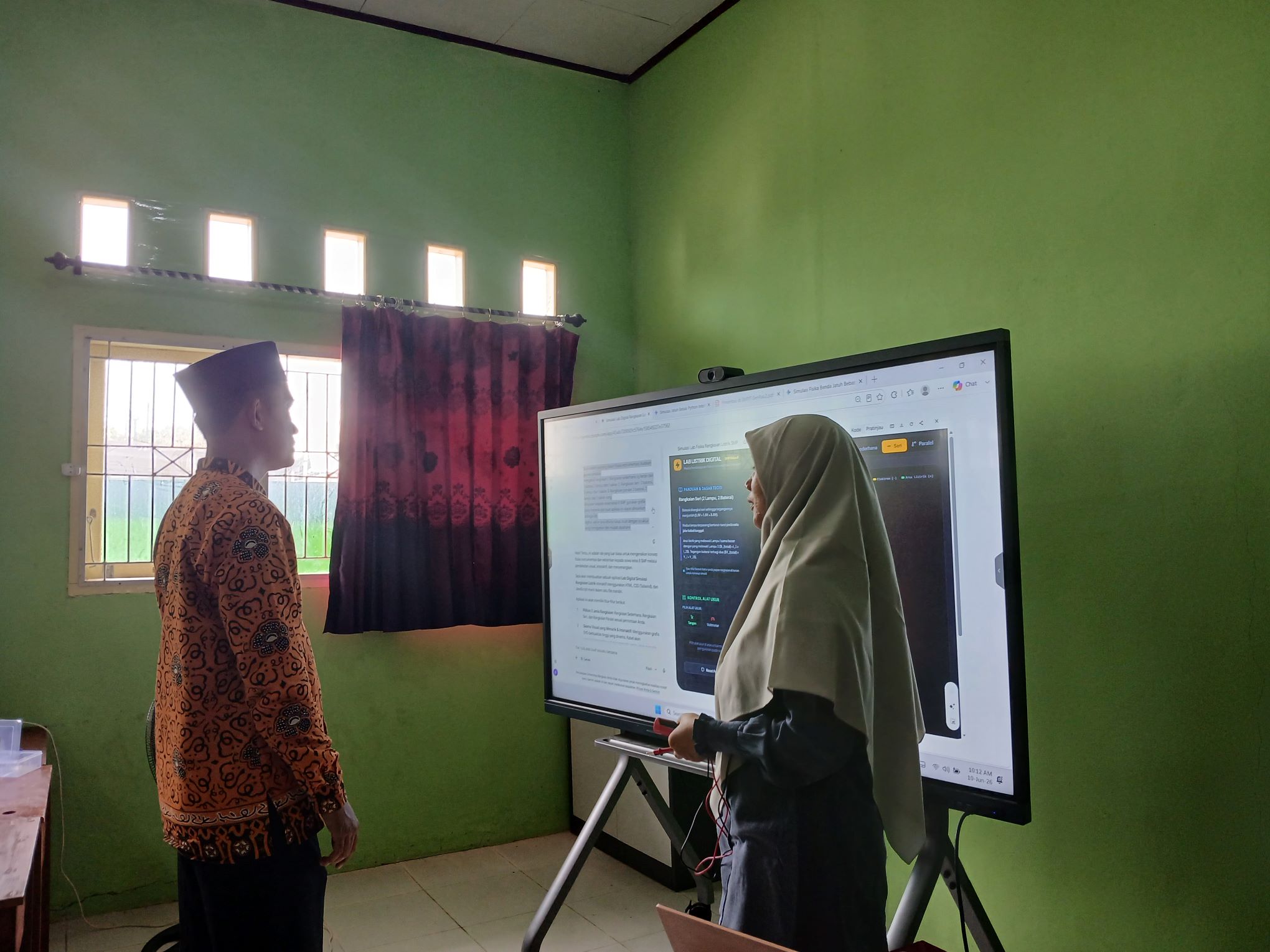
Prior to the implementation, the team conducted coordination meetings with SMPIT Generasi Rabbani to identify the school’s needs, develop an activity schedule, and align the training materials with the school’s physics curriculum. The team then prepared the practicum media at the Physics Laboratory, FMIPA, University of Bengkulu, including hardware kits for simple, series, and parallel electrical circuits, a practical laboratory guidebook, instructional materials, and the integration of Artificial Intelligence (AI) as a learning support tool. These preparations ensured that the program was well organized, interactive, and capable of providing participants with meaningful hands-on learning experiences.
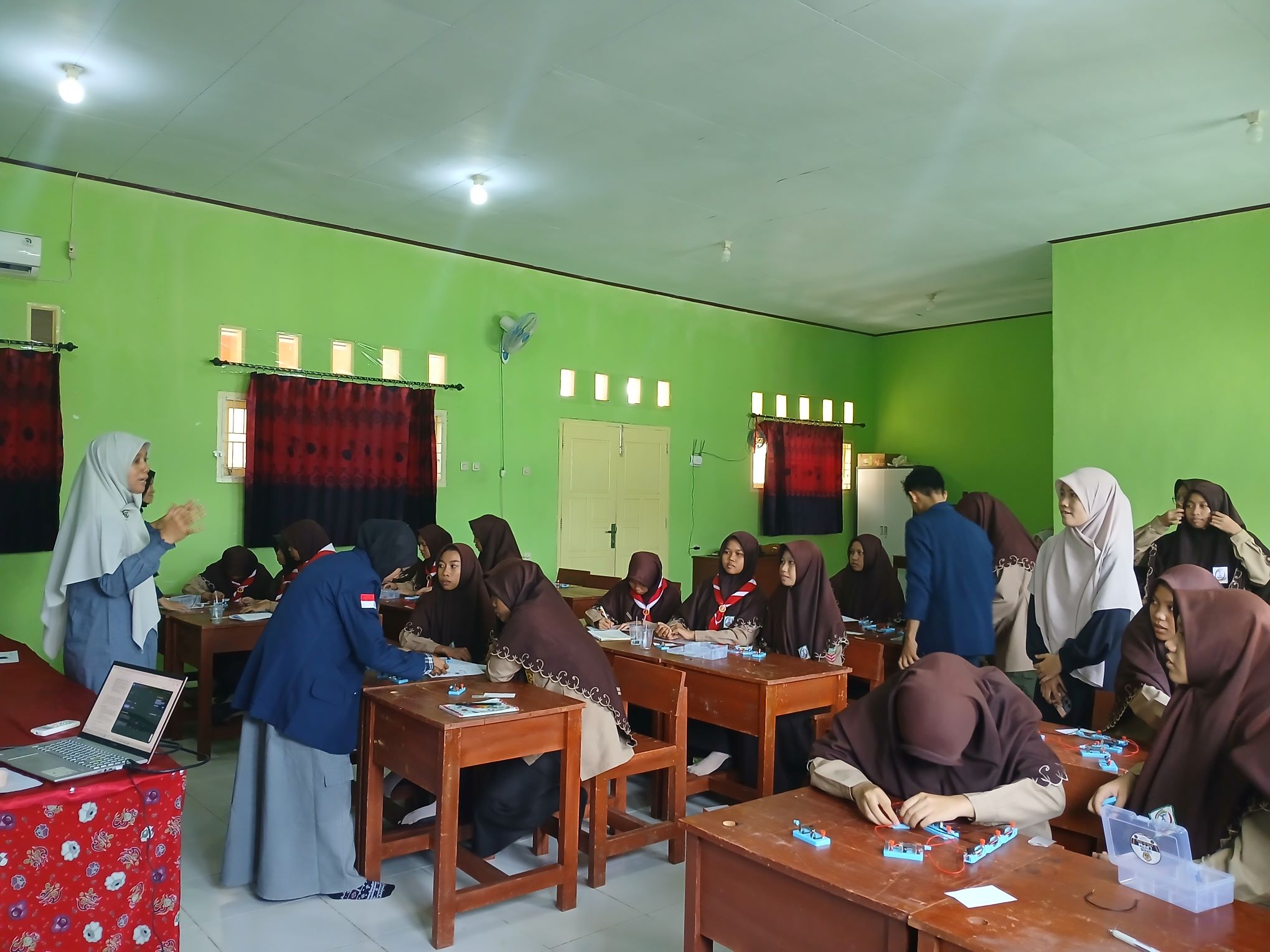
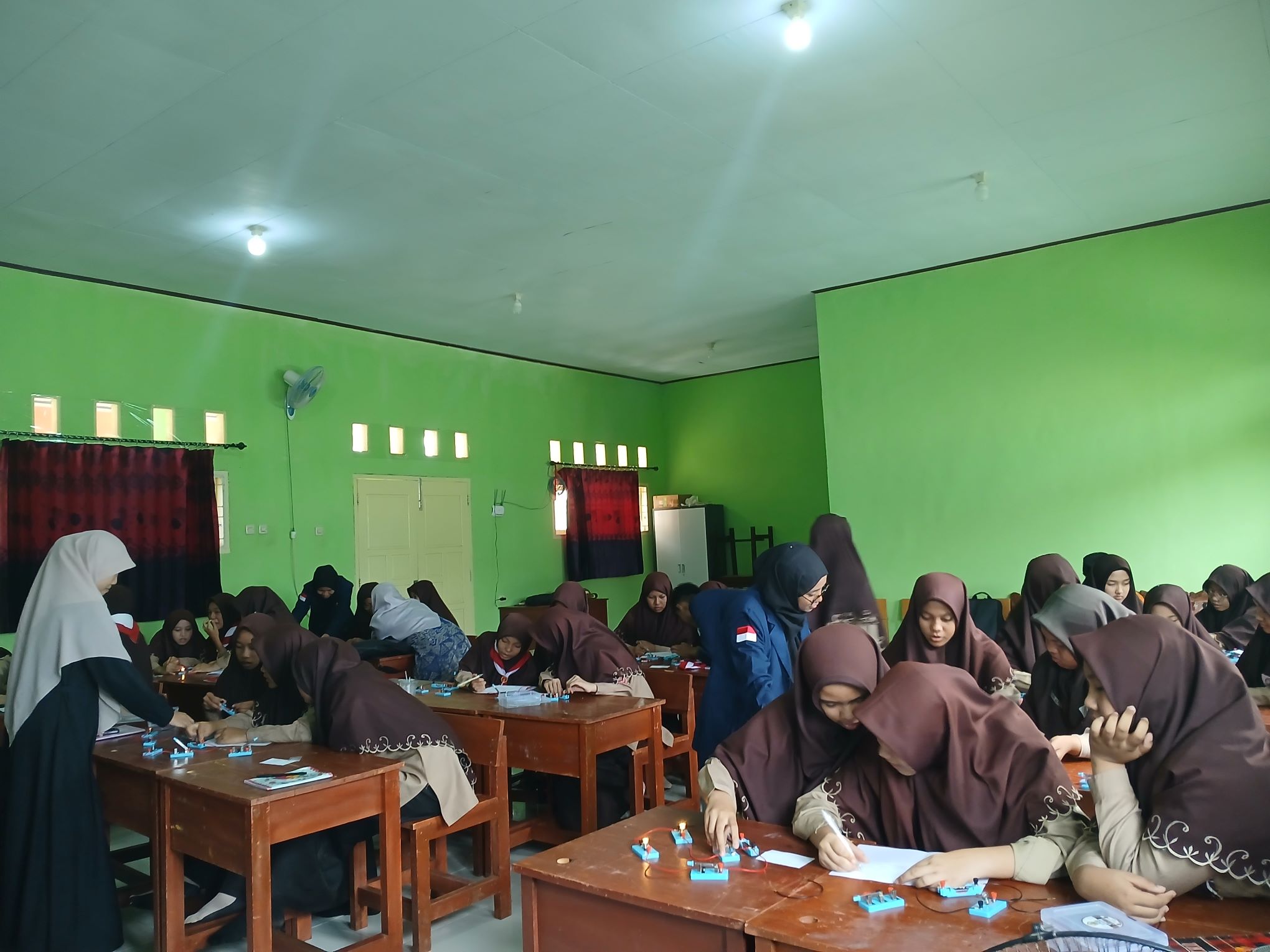
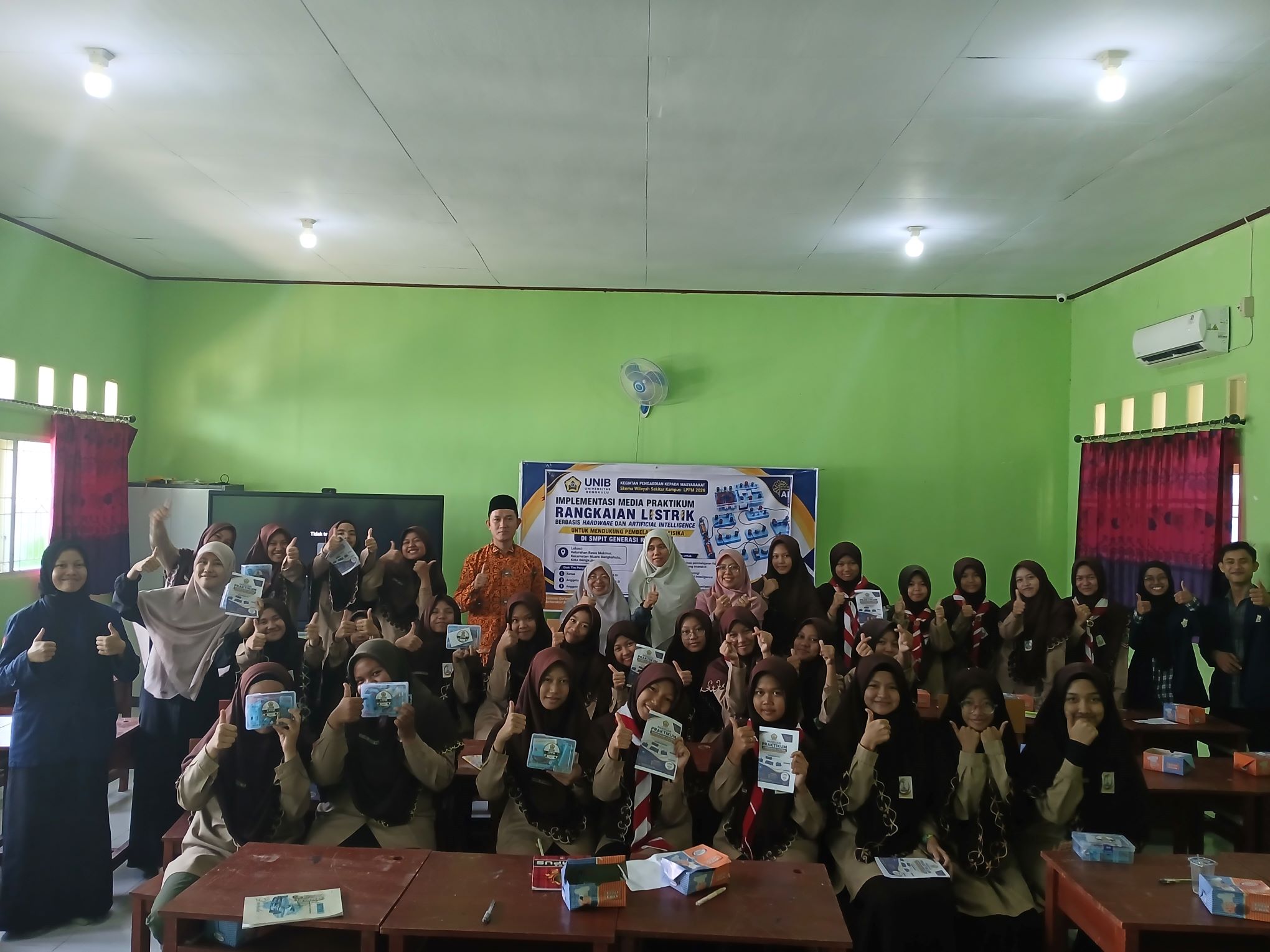
The activity was attended by 30 participants, comprising eighth-grade students and teachers from SMPIT Generasi Rabbani. The program began with a pre-test to assess participants’ prior understanding of electrical circuit concepts. This was followed by a presentation on the fundamentals of electrical components and circuit configurations, including simple, series, and parallel circuits, accompanied by an interactive discussion session. Participants were then divided into groups to conduct practical experiments using the prepared laboratory kits. Under the direct guidance of the community service team, they assembled electrical circuits, performed experiments, and analyzed the results independently. To evaluate learning outcomes, participants completed a post-test at the end of the practical session.
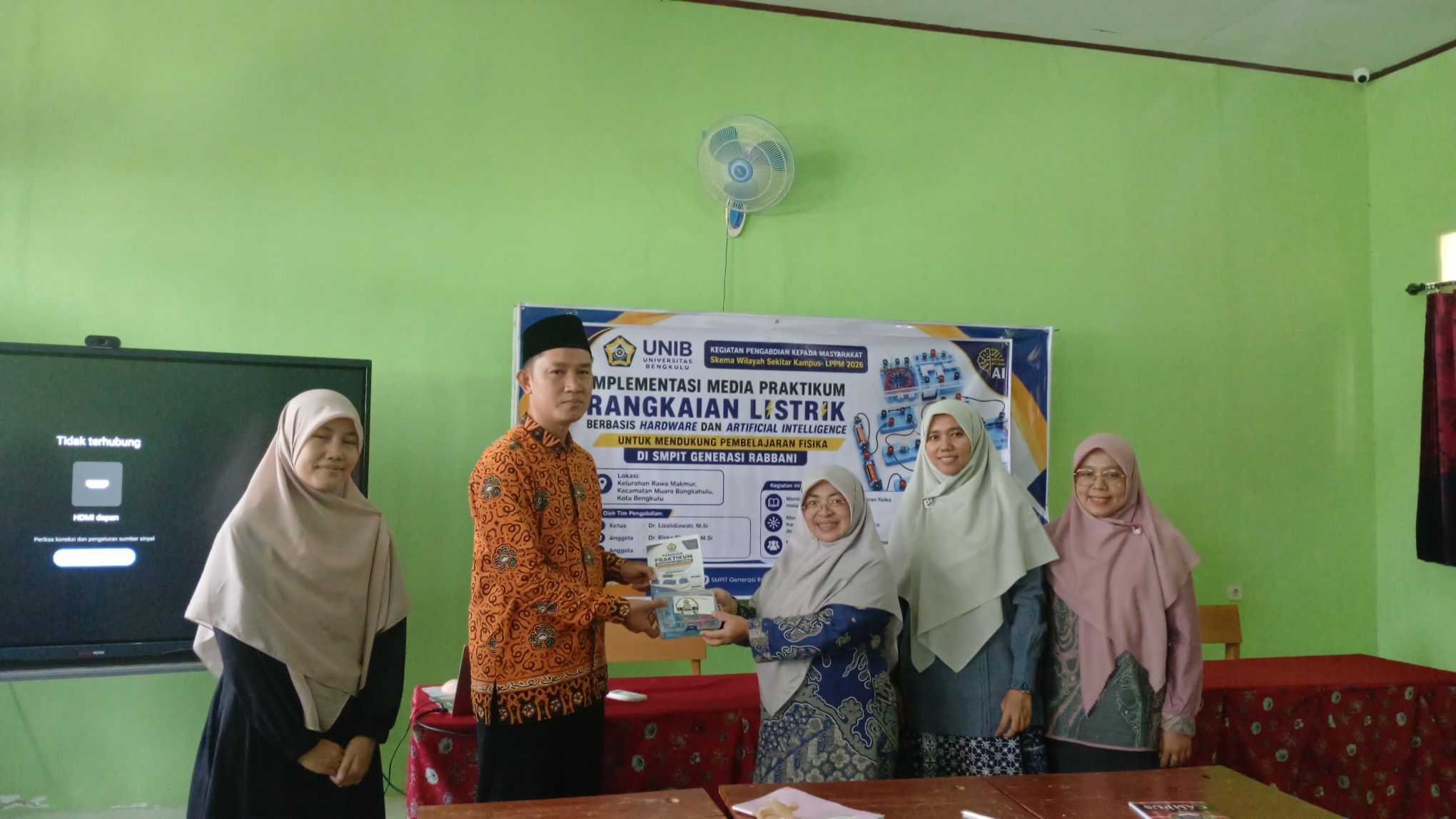
As part of the University’s commitment to ensuring the sustainability of the program, the community service team officially donated the electrical circuit practicum kits and laboratory guidebook to SMPIT Generasi Rabbani. These resources are expected to support future physics learning activities and enable teachers to continue implementing practical, inquiry-based instruction. Through this initiative, the University of Bengkulu aims to promote more engaging, contextual, and technology-enhanced physics education while fostering students’ scientific thinking, practical skills, and interest in science, technology, engineering, and mathematics (STEM).